


Werkzeug Set Im Koffer
Add a review FollowOverview
-
Founded Date December 4, 2022
-
Sectors Education Training
-
Posted Jobs 0
-
Viewed 12

Company Description
Why Stationary Planer Test Can Be More Risky Than You Think
Understanding the Stationary Planer Test: Everything You Need to Know
When it concerns woodworking and product preparation, precision and effectiveness are critical. One tool that uses accuracy in shaping and planing wood is the stationary planer. However simply like any other tool, the quality and performance of stationary planers require to be examined. This is where the stationary planer test comes in.
In this blog post, MauernutfräSe Test we will look into what the stationary planer test entails, how it’s carried out, its significance, and frequently asked questions associated with the topic.
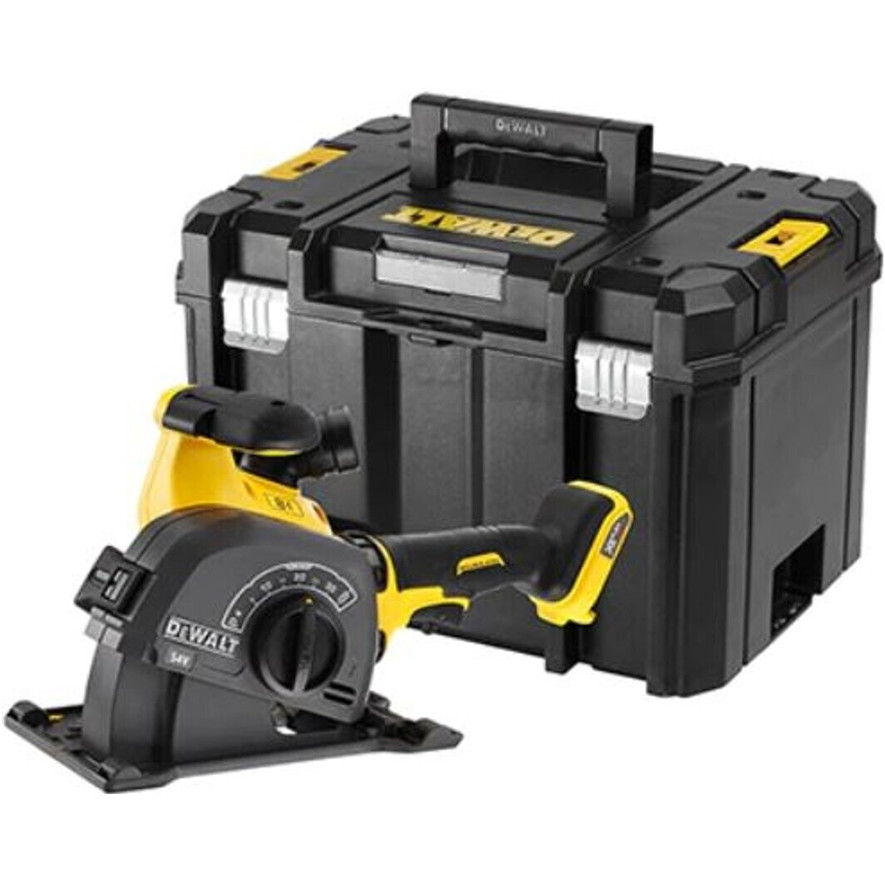
What is a Stationary Planer?
A stationary planer is a woodworking machine designed to smooth the surface of wood and bring it to a preferred thickness. Unlike hand planers, these devices run using electric power and can handling bigger pieces of wood with higher effectiveness. They usually feature adjustable cutters that can reduce the product in varying densities. The stationary planer is important for Abricht Und Dickenhobel Günstig mit absaugung (http://116.142.80.13:3000/profi-werkzeug-set-kaufen3630) accomplishing a consistent surface finish, making it crucial in both industrial and enthusiast woodworking applications.
The Importance of Conducting a Stationary Planer Test
To guarantee that the stationary planer runs efficiently and produces the desired results, it is necessary to conduct a stationary planer test. This test examines a number of performance aspects, including:
- Cut Quality: The smoothness and consistency of the completed wood surface area.
- Thickness Accuracy: How accurately the planer can maintain a preferred thickness.
- Feed Rate Consistency: How gradually the material feeds through the machine.
- Noise Level: The quantity of sound produced throughout operation.
- Alleviate of Use: User experience and the intuitiveness of controls.
Table 1: Key Factors Evaluated in a Stationary Planer Test
| Factor | Description | Significance |
|---|---|---|
| Cut Quality | Smoothness and harmony of the planed surface | Impacts the visual and usability |
| Thickness Accuracy | Discrepancy from preferred thickness | Important for job requirements |
| Feed Rate | Stability of material as it passes through the machine | Impacts performance and result |
| Noise Level | Sound produced throughout operation | Affects user convenience and ecological considerations |
| Ease of Use | Simplicity of machine controls and setup | Influences user fulfillment |
How is the Stationary Planer Test Conducted?
Conducting a stationary planer test involves a series of methodical steps created to ensure reliability and reproducibility of outcomes:
1. Preparation
Before starting the test, it’s important to prepare the devices and work area. This may include:
- Ensuring the planer is clean and devoid of debris.
- Adjusting the machine according to the producer’s specs.
- Choosing appropriately sized test pieces of wood.
2. Testing for Cut Quality
- Treatment: Run a piece of wood through the planer, observing the finish after the very first pass.
- Assessment: Inspect the surface for any flaws like tear-out or chattering.
3. Checking for Thickness Accuracy
- Treatment: Measure the thickness of the cut wood piece utilizing calipers before and after planing.
- Evaluation: Calculate the variance from the preferred thickness.
4. Evaluating Feed Rate Consistency
- Treatment: Pay attention to how efficiently the wood feeds through the machine during testing.
- Examination: Note any hesitations or inconsistent feeding.
5. Determining Noise Levels
- Procedure: Use a decibel meter to determine noise output throughout operation.
- Evaluation: Compare the noise levels to acceptable limits Akku Werkzeug Set Bürstenlos (http://Dunumre.com) by occupational health requirements.
6. Evaluating Ease of Use
- Study: Ask users about their experience operating the machine after completing the screening procedure.
- Examination: Gather feedback on machine controls, setup treatments, and user complete satisfaction.
Table 2: Summary of Testing Procedures
| Test | Treatment | Assessment Criteria |
|---|---|---|
| Cut Quality | Run wood through planer | Smoothness, existence of flaws |
| Thickness Accuracy | Step thickness before and after planing | Deviation from preferred thickness |
| Feed Rate Consistency | Observe feeding process | Stability of feed, incident of hesitations |
| Sound Level | Procedure noise during operation | Comparison to acceptable noise levels |
| Alleviate of Use | User feedback after operation | Satisfaction with controls and setup |
Significance of the Test Results
The outcomes of the stationary planer test are substantial on multiple levels:
- Improvement of Techniques: Identifying weaknesses enables artisans to make changes to their techniques or settings.
- Maker Insights: For producers, this feedback offers insights into item style and locations for improvement.
- Consumer Confidence: Providing comprehensive screening results constructs trust among users worrying the item’s dependability and quality.
Regularly Asked Questions (FAQ)
What is the finest method to keep a stationary planer?
- Routine cleansing to prevent accumulation of sawdust.
- Regular inspection and honing of the blades.
- Making sure all moving parts are lubed as essential.
How frequently should I conduct a stationary planer test?
It’s suggested to perform this test after significant usage or whenever altering blades or making adjustments to the machine settings.
Can I perform a stationary planer test with any kind of wood?
While it is possible to test various wood types, some woods (like softwoods) might yield different outcomes compared to hardwoods. It’s vital to think about the material when designing tests for optimum efficiency.
What should I do if my planer produces poor cut quality?
Check the blades for dullness or damage, check the machine’s calibration, and make sure the wood is being fed properly without resistance.
Are there particular brand names known for high-quality stationary planers?
Yes, brand names such as Dewalt, Bosch, and Grizzly are typically pointed out for their reliability and efficiency, however it’s important to assess based on individual requirements and the testing results.
Carrying out a stationary planer test is essential for establishing the reliability and performance of these powerful woodworking devices. With a focus on precision, Mauernutfräse Für Stahlbeton Mit Diamantscheiben Angebot smooth finishes, and user experience, this testing can guide both producers and end-users in making informed decisions concerning their woodworking tools. Whether you are a professional woodworker or an enthusiastic enthusiast, understanding the nuances of stationary planer tests can raise the quality of your work and the longevity of your devices.
