


Folding Mobility Scooters For Sale
Add a review FollowOverview
-
Founded Date March 17, 1920
-
Sectors Telecommunications
-
Posted Jobs 0
-
Viewed 1

Company Description
What’s The Job Market For Portable Mobility Scooters Professionals?
Portable Mobility Scooters: Enhancing Freedom and Independence
As the world significantly moves towards inclusivity and ease of access, portable mobility scooters have actually become an advanced option for individuals with mobility obstacles. These compact, easy-to-transport scooters are developed to empower users with the capability to navigate their environments with self-confidence and ease. In this post, we will explore the qualities, advantages, and considerations when choosing for a portable mobility scooter, supported by tables and FAQs to offer an extensive summary.
Understanding Portable Mobility Scooters
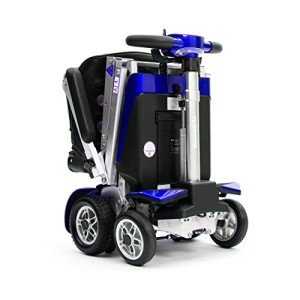
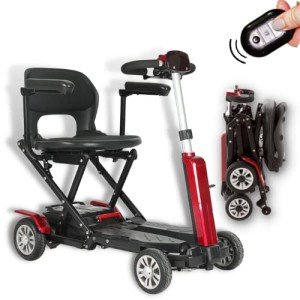
Portable mobility scooters are lightweight, battery-operated vehicles that provide an alternative mode of transportation for those with minimal mobility. Assembled using resilient materials, they are specifically crafted to be lightweight and compact to assist in simple transportation in vehicles or on public transportation.
Key Features of Portable Mobility Scooters
| Feature | Description |
|---|---|
| Weight Capacity | Most scooters can support users weighing between 250 to 500 pounds |
| Battery Life | Normal variety of 10 to 30 miles per charge |
| Speed | Normally runs in between 4 to 8 mph |
| Turning Radius | Differs from 32 to 60 inches, making them suitable for indoor usage |
| Foldability | Lots of models can be quickly folded for transport |
| Wheels | Normally equipped with either strong or pneumatic tires |
Portable mobility scooters are ideal for both indoor and outside usage, offering stability and ease of movement.
Advantages of Portable Mobility Scooters
-
Improved Freedom: Users can engage in activities that were formerly difficult, such as shopping and socializing, consequently enhancing general lifestyle.
-
Transportation Convenience: Many portable scooters can be quickly taken apart or folded, permitting users to transport them in cars and trucks, vans, or public transport.
-
Affordable: Compared to powered wheelchairs, portable scooters are often more economical, providing a cost-effective solution.
-
User-Friendly Design: Most models include instinctive controls, making them easy to run for people of all ages.
-
Variety of Options: With various brands and models on the marketplace, prospective users can choose scooters that match their particular requirements– ranging from off-road use to compact indoor alternatives.
Crucial Considerations When Choosing a Portable Mobility Scooter
- Weight and Portability: Assess the weight of the scooter itself and its parts. Lighter designs are normally easier to transport.
- Battery Life and Range: Consider how far you require to travel on a single charge. If you prepare for long journeys, a scooter with an extended battery life is important.
- Size and Dimensions: Measure where you’ll keep the scooter and ensure it fits easily in your vehicle or home.
- Comfort Features: Look for scooters with adjustable seats, armrests, and other ergonomic features for added convenience throughout usage.
- Surface Compatibility: If you plan to use the scooter outdoors, guarantee it can manage numerous surfaces (e.g., gravel, yard) with ease.
| Factor to consider | Significance |
|---|---|
| Weight & & Portability | Impacts ease of transportation and storage. |
| Battery Life | Identifies variety and freedom to explore. |
| Size | Essential for storage and maneuverability. |
| Comfort Features | Enhances the general user experience. |
| Terrain Compatibility | Guarantees flexibility in outdoor conditions. |
Frequently Asked Questions (FAQs)
1. How fast can a portable mobility scooter go?
Most portable mobility scooters can reach speeds in between 4 to 8 miles per hour. However, the speed might differ based upon the design and the weight of the user.
2. Do portable mobility scooters require a license or registration?
In most nations, portable mobility scooters do not need a motorist’s license or registration, but it’s essential to check local policies.
3. What is the normal cost variety of portable mobility scooters?
Costs normally range from ₤ 600 to ₤ 3,000 or more, depending upon functions, brand, and requirements.
4. Can portable mobility scooters be utilized on mass transit?
Yes, many public transport systems accommodate portable mobility scooters, however it’s suggested to sign in advance concerning policy information and area restrictions.
5. What are the upkeep requirements?
Routine upkeep includes battery checks, tire examinations, and keeping the scooter clean. It’s encouraged to consult the user handbook for particular maintenance guidelines for your design.
Portable mobility scooters have actually ended up being a lifeline for numerous people looking for independence and mobility in their lives. Their benefit, ease of use, and range of readily available models permit users to choose the perfect scooter to fit their lifestyle.
For anyone considering investing in a portable mobility scooter, it’s crucial to examine personal requirements carefully and explore different alternatives on the market. With the right option, these scooters can considerably enhance mobility and facilitate a more active way of life, eventually causing improved health and wellbeing.
By understanding the functions and aspects included in choosing a portable mobility scooter, users can take the first action towards claiming their liberty again. Whether for running errands, taking pleasure in the outdoors, or just moving the home, portable mobility scooters redefine what it means to remain active and engaged in life.
