


Portable Ramp
Add a review FollowOverview
-
Founded Date November 29, 2010
-
Sectors Automotive Jobs
-
Posted Jobs 0
-
Viewed 1

Company Description
A Productive Rant Concerning Portable Ramp
The Essential Guide to Portable Ramps: Accessibility on the Go
In a world that is continuously aiming for inclusivity, portable ramps have acquired significant attention and significance as a useful option for boosting mobility and accessibility. Created to offer a smooth transition for individuals who use wheelchairs, scooters, or other mobility aids, portable ramps facilitate access to various environments, from homes to public spaces. This post will offer readers a thorough understanding of portable ramps, their benefits, various types, and vital considerations when choosing an appropriate ramp.
What is a Portable Ramp?
A portable ramp is a lightweight, quickly movable structure that allows individuals with mobility obstacles to browse different elevations, such as steps or curbs, securely. These ramps serve a variety of purposes, consisting of offering access to homes, cars, public structures, and even temporary structures at occasions.
Benefits of Portable Ramps
The adjustment of portable ramps offers various advantages. Here are some crucial advantages:
- Enhanced Accessibility: Portable ramps make spaces available for individuals with impairments, ensuring they can take part in a broader series of activities in various environments.
- Portability: True to their name, these ramps can be quickly moved from one place to another, making them ideal for travel and temporary setups.
- Cost-Effectiveness: Instead of undergoing substantial modifications to a structure, portable ramps offer a more economical option to ease of access issues.
- Relieve of Use: Many portable ramps included easy to use functions such as foldable designs and non-slip surface areas, guaranteeing safety and convenience.
- Resilience: Constructed from robust products, these ramps are developed to withstand various climate condition without deteriorating.
Summary of Benefits
| Benefit | Description |
|---|---|
| Improved Accessibility | Allows people to navigate various elevations |
| Portability | Quickly moved for use in different areas |
| Cost-Effectiveness | A more cost-effective service than irreversible ramps |
| Alleviate of Use | Easy to use functions for safety and benefit |
| Resilience | Made from robust materials for long-lasting usage |
Types of Portable Ramps
There are a number of types of portable ramps, each developed for particular purposes. Here’s a breakdown of the most typical types:
1. Folding Ramps
Folding ramps are created to be compact and easily transportable. They frequently come in two or 3 sections that fold together for storage.
2. Wheelchair Ramps
These ramps are specifically developed for wheelchairs and are normally larger and tougher than general portable ramps. They may include added security aspects like side guards.
3. Limit Ramps
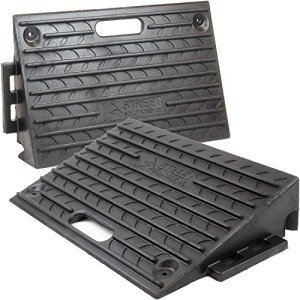
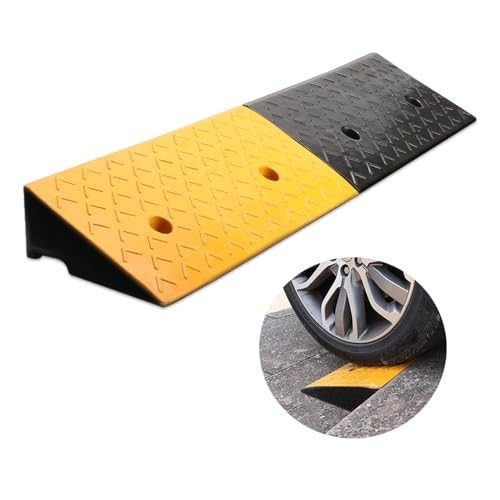
Threshold ramps are perfect for conquering small height differences, such as entrances. They are normally much shorter and can be permanently mounted or portable.
4. Cargo Ramps
Cargo ramps are utilized for loading and unloading products from cars. They are created to support much heavier weights and assist with loading boxes, mobility scooters, and more.
5. Multifold Ramps
Multifold ramps consist of several panels that fold out and can support larger platforms. They provide a higher weight capability and are versatile for different uses.
| Ramp Type | Finest Used For | Key Features |
|---|---|---|
| Folding Ramps | Easy transportation and storage | Compact, lightweight |
| Wheelchair Ramps | Ease of access for wheelchairs | Durable with side guards |
| Threshold Ramps | Getting rid of little height distinctions | Portable or mounted |
| Freight Ramps | Loading/unloading heavier items | Durable building |
| Multifold Ramps | Versatile uses, higher weight capacity | Multiple folding panels |
Picking the Right Portable Ramp
Choosing the suitable portable ramp can considerably affect availability and safety. Here are vital factors to consider to remember:
1. Length and Height
Measure the height of the steps or elevation you want to conquer. The length of the ramp plays a crucial role in ensuring a manageable incline. A general guideline is a 1:12 ratio of rise to run; for each inch of height, you need a minimum of 12 inches of ramp.
2. Weight Capacity
Check the weight capability of the ramp to guarantee it will securely support the designated user and any additional equipment.
3. Material
Portable ramps can be made from various materials, including aluminum, wood, or plastic. Aluminum ramps are normally preferred for their lightweight and long lasting nature.
4. Surface Traction
The ramp should have a non-slip surface to avoid accidents, especially in damp conditions. Try to find ramps with textured surfaces or rubberized finishes.
5. Mobility
Think about how frequently the ramp will require to be transferred. If frequent relocation is expected, select a ramp that is easy to fold and carry.
Portable Ramp Safety Tips
Using portable ramps successfully needs attention to security:
- Inspect Before Use: Always examine the ramp for damage or wear before utilizing it.
- Firmly Position the Ramp: Ensure that the ramp is stable and securely put on both ends.
- Weight Distribution: Ensure that users are positioned correctly on the ramp to prevent shifting and tipping.
- Use Assistance: If essential, have another individual assist someone utilizing the ramp, especially if they are brand-new to it.
- Routine Maintenance: Periodically check for dirt or particles on the ramp surface area that could produce threats.
Frequently Asked Questions About Portable Ramps
Q1: Are portable ramps easy to establish?
Yes, a lot of portable ramps are designed for easy setup and takedown, normally needing minimal effort.
Q2: Can I use a portable ramp indoors?
Definitely! Portable ramps can be utilized in both indoor and outdoor settings, making them versatile for numerous environments.
Q3: How do I determine the appropriate length for my ramp?
Procedure the height of the steps or elevation that the ramp will need to accommodate and use the 1:12 ratio rule as a guideline.
Q4: Are portable ramps weather-resistant?
Many portable ramps, especially those made from aluminum, are designed to withstand outside conditions. However, it’s important to check the maker’s specs.
Q5: Do I need a special license to utilize a portable ramp in public locations?
While this varies by place and intention (temporary vs. long-term installations), constantly consult regional policies to guarantee compliance.
Portable ramps function as vital tools for boosting mobility and availability for people with numerous needs. By understanding the types, advantages, and considerations surrounding portable ramps, people, caregivers, and organizations can make educated choices that improve access and quality of life. With the best portable ramp, you can bridge gaps, making sure everyone can enjoy their environments with self-respect and independence.
